MediaKitLogo

BLOG

Notes on logos and brand operations

Articles on using logos correctly, choosing file formats and color codes, setting clear space and minimum size, writing brand guidelines, and running a press kit.

6 articles

File formats8 min read

Logo File Formats: SVG, PNG, PDF and AI

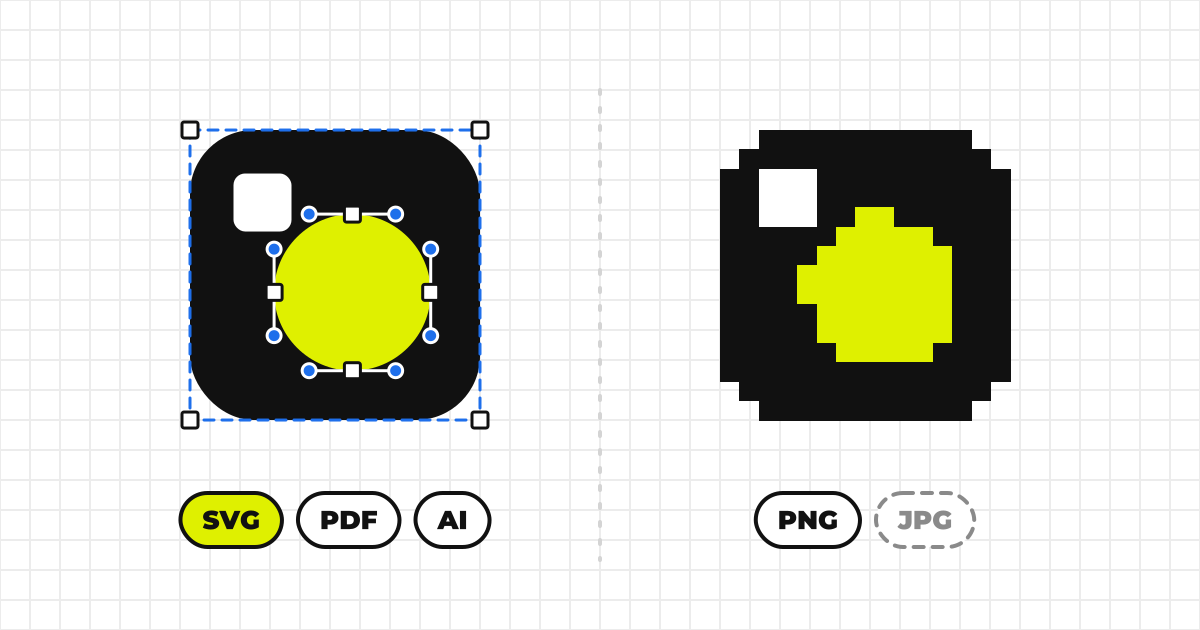
Choose a logo file format by where it will be used: SVG for websites and apps; a transparent PNG for slides and email, where SVG may not work; a square PNG with a solid background for social profile pictures; and for print, whatever the printer specifies, usually PDF or AI. JPEG is a poor fit for logos because it has no transparency and its compression leaves artifacts around sharp edges. Publishers should supply SVG and transparent PNG for every variant, plus PDF or AI for print.

What it covers
If you are using a logo

What to check before it goes into a page or a document, and which file to pick.

  • File formats8 min read

    Logo File Formats: SVG, PNG, PDF and AI

    Choose a logo file format by where it will be used: SVG for websites and apps; a transparent PNG for slides and email, where SVG may not work; a square PNG with a solid background for social profile pictures; and for print, whatever the printer specifies, usually PDF or AI. JPEG is a poor fit for logos because it has no transparency and its compression leaves artifacts around sharp edges. Publishers should supply SVG and transparent PNG for every variant, plus PDF or AI for print.

  • Using logos7 min read

    Using Another Company’s Logo: When You Need Permission

    Showing another company’s logo to refer to that company, in a comparison or a news item, generally needs no permission; a use that suggests endorsement, such as a customer-logo wall, should be cleared with them first. Take the file from the official source, keep its colors and proportions, and leave clear space around it (half the symbol’s height if nothing is specified). For a legal question, ask a lawyer.

If you are setting the rules

How to write guidelines, notate colors, and set clear space and minimum size.

  • Brand colors7 min read

    Brand Color Codes: HEX, RGB, CMYK and Spot Colors

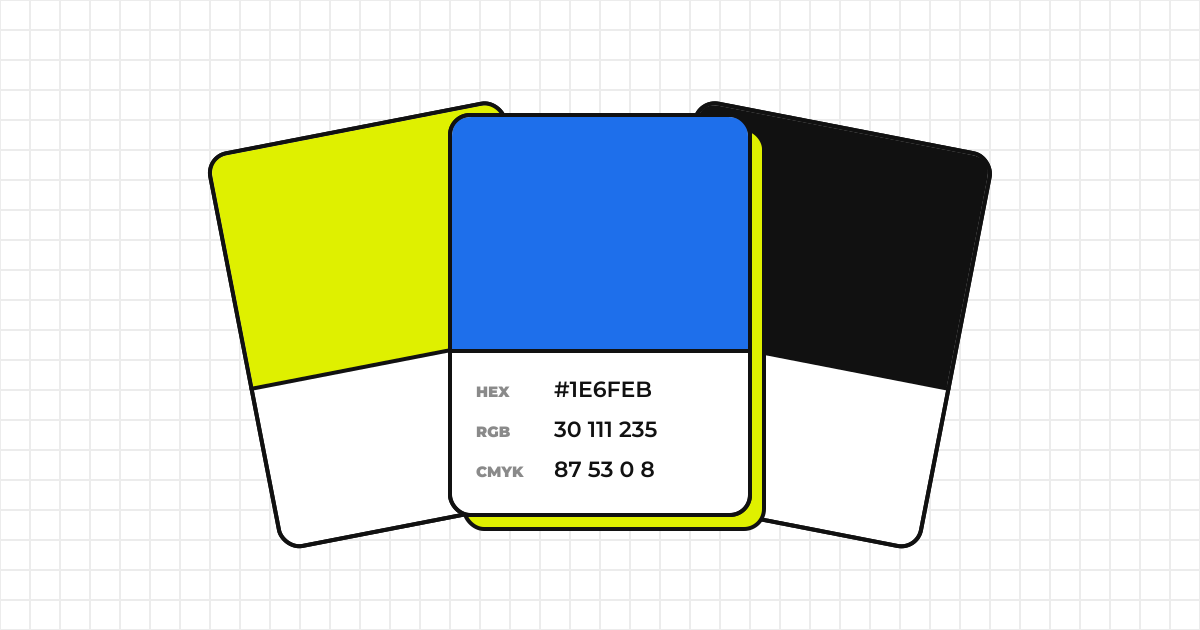
    Write a brand color differently for each medium: HEX or RGB for screens (web, slides), CMYK for print, and a DIC or PANTONE spot color number where print must not drift. RGB-to-CMYK conversion has no single result (it depends on the paper and printing conditions), and vivid colors come out duller in print, so decide both from the start and write them together. If a color will be used for text, check that its contrast ratio against the background is at least 4.5 : 1 (WCAG 2.x AA, normal-size text).

  • Logo rules6 min read

    How to Set Logo Clear Space and Minimum Size

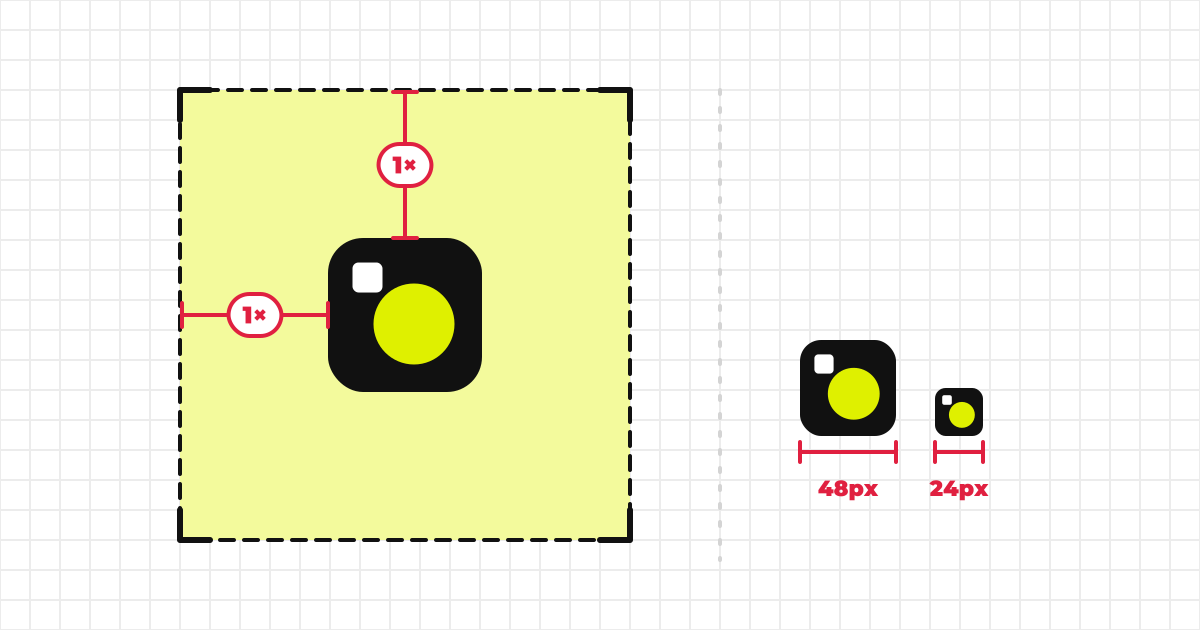
    Write a logo’s clear space (the margin around it) in a part of the logo itself, such as “1× its height”. Set the minimum size by measuring, at real size, where fine detail is lost, and decide screen px and print mm separately. Choose values that can be kept in the tightest place the logo will really appear, and show them in a figure as well as in words.

  • Brand operations7 min read

    How to Write Brand Guidelines: Six Essentials

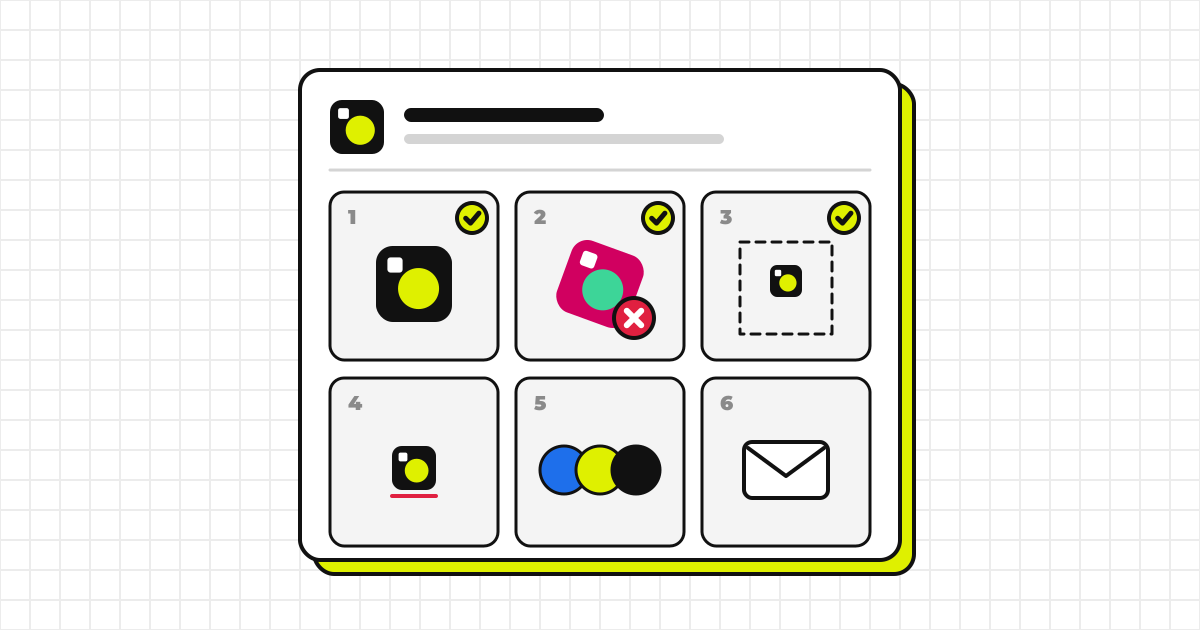
    Brand guidelines tell people outside a company how to use its logo and brand without having to ask. The six essentials are the logo files, misuse examples, clear space, minimum size, brand colors (HEX, RGB and CMYK) and a contact; the first three cover most real requests. Share them as one always-current URL rather than a PDF attachment.

If you are publishing a kit

How to build a download page, and who should be able to see it.

  • Press kits7 min read

    What a Media Kit Is and How to Publish One

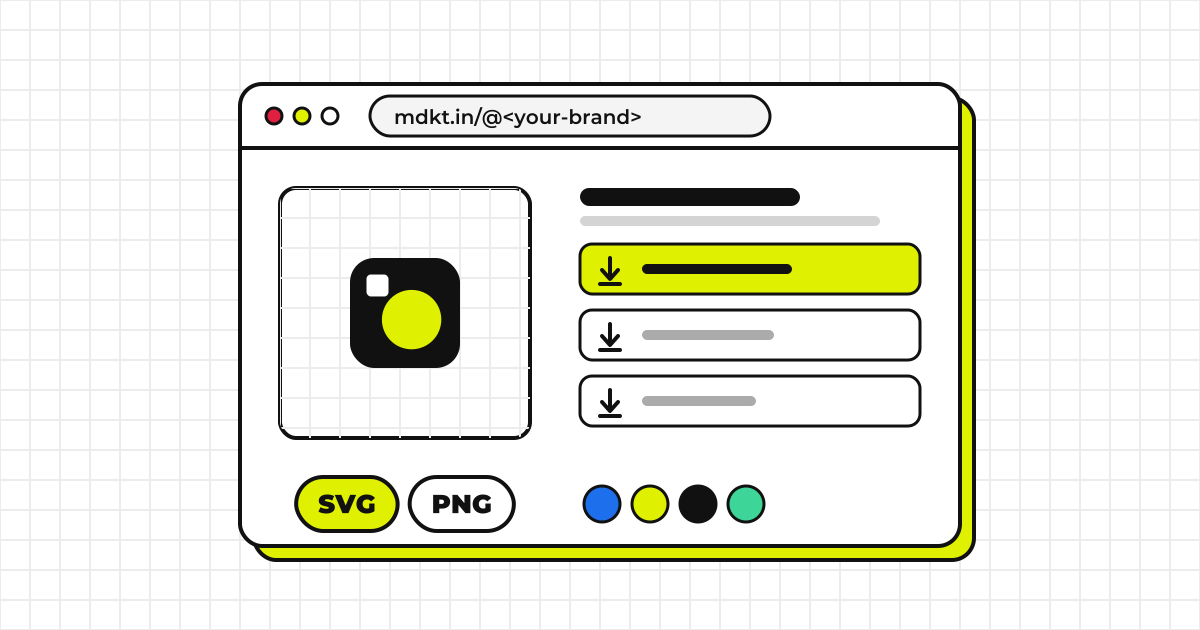
    A media kit, or press kit, gathers what journalists and partners need (logo files, brand colors, usage rules, a company fact sheet) in one place where they can get it themselves. The minimum is the logo files, the rules and a contact. Host it on your own site, a shared drive, a docs tool or a dedicated service, keep one URL, and choose who can see it: everyone, link-only, or password.